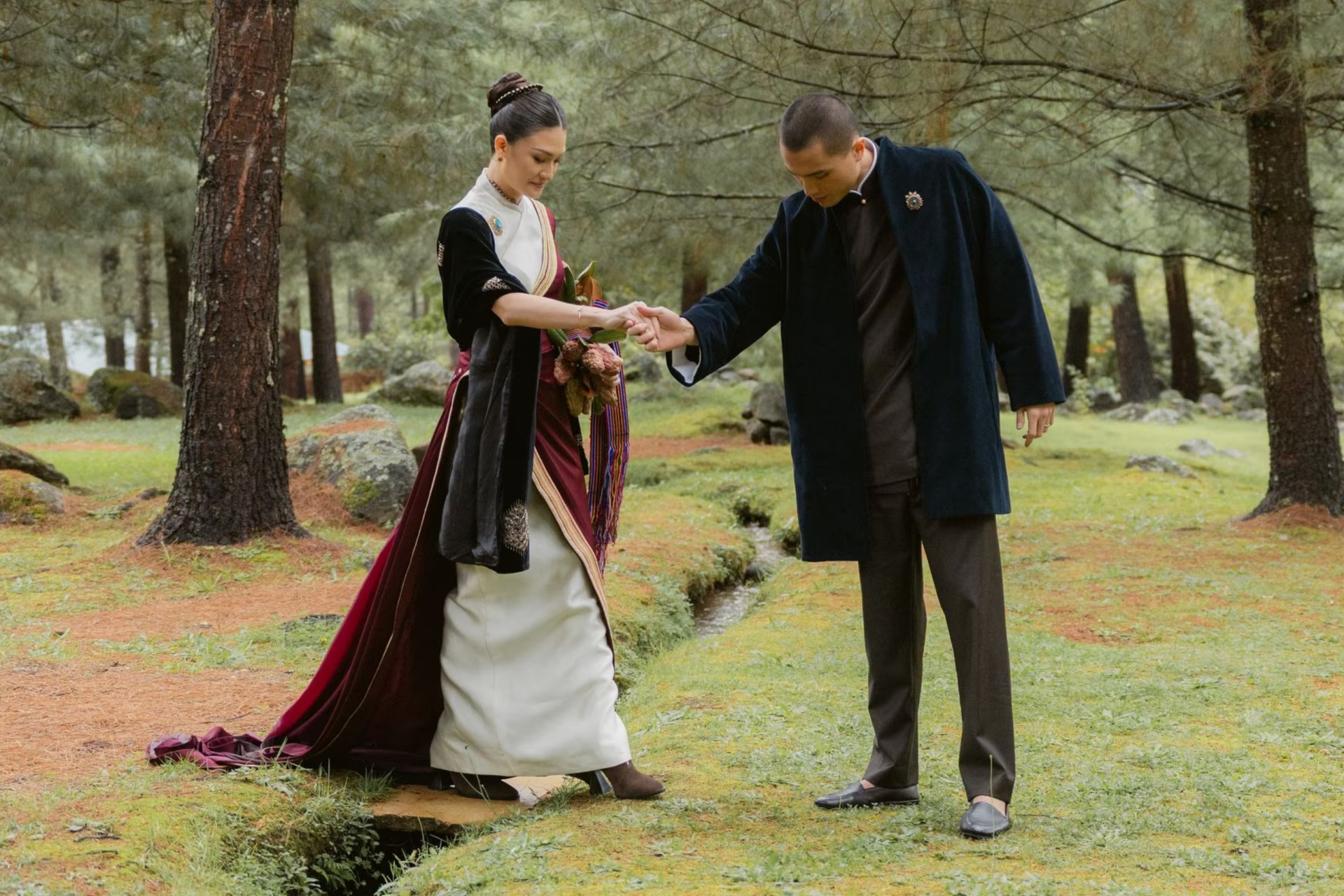
Picture this: towering pine trees whispering secrets in the mist, monks chanting ancient mantras that seem to echo off the distant snowy peaks, and then—just as vows are exchanged—the sun pierces through a blanket of rain clouds like a divine spotlight. That’s the magic that unfolded for Tara Susanto-Joseph and James Joseph during their intimate forest wedding in Bhutan. As someone who’s hiked through the misty trails of the Indian Himalayas years ago, chasing that elusive sense of peace amid rugged beauty, I can tell you these moments feel almost otherworldly. This wasn’t just a ceremony; it was a heartfelt blend of love, nature, and cultural reverence that left everyone feeling a bit closer to something bigger.
I’ve always believed weddings should reflect the couple’s essence, not just trends. Back when I helped plan a friend’s elopement in a remote mountain cabin—complete with unexpected rain that turned into a rainbow—I learned how weather can become part of the story. For Tara and James, founders of a reforestation company, their Bhutanese Himalayas wedding embodied that perfectly, turning potential downpours into symbols of renewal.
But what makes this tale so captivating? It’s the journey from a quirky first date in Jakarta to vows amid Bhutan’s sacred landscapes, all wrapped in sustainability and intention. Let’s walk through it step by step, like strolling those pine-scented paths.
A Serendipitous Meeting in Jakarta
Tara and James, both of Chinese-Indonesian heritage, crossed paths in June 2021 thanks to a sneaky mutual friend named Andrew Hong. Living just 50 seconds apart in Jakarta, they might have stayed strangers without his meddling. He tricked James into thinking it was a business chat, while telling Tara it was a date with a handsome neighbor.
The first encounter? Tara calls it “borderline horrific,” but she didn’t back down. A second meetup sparked real connection, leading to shared adventures like snorkeling that deepened their bond. It’s funny how fate works—sometimes a bad start sets up the best stories.
By 2022, their partnership bloomed into Bumiterra, a reforestation company restoring Indonesia’s rainforests. With 35 hectares restored and over 16,000 trees planted, their work mirrors the nurturing roots of their relationship.
The Awkward First Date That Led to Forever
James thought he was discussing investments; Tara expected romance. Laughter ensued when the truth emerged, but Tara’s persistence paid off. Reminds me of my own blind date disaster that turned into a lasting friendship—sometimes you just need to give it another shot.
Building Bumiterra: From Neighbors to Co-Founders
United by a love for nature, they launched Bumiterra to empower communities through ecosystem restoration. As a Certified B Corporation, it’s not just business—it’s their shared mission. Tara, as CEO, designs models that make forest recovery accessible and impactful.
The Romantic Proposal on Moyo Island
Fast-forward to October 4, 2024: After snorkeling in Amanwana’s gentle reefs, James proposed during a sunset cruise. He nearly scrapped it when Tara felt off, but the ocean’s calm saved the day. His words? “Tara, you’ve taken care of me since the day we met… now I wish to do the same for you.”
The ring—a royal blue sapphire from Christie’s—symbolized the ocean’s peace, not her birthstone emerald. “He thought I had too much green in my life,” Tara shared, chuckling about their rainforest work. It was personal, thoughtful, and set the tone for their intentional union.
Blue for safety and love—Tara’s ocean affinity made it perfect. Proposals like this remind me of a beach one I witnessed: simple waves crashing, but the emotion? Overwhelming.
Why Bhutan? The Land of Thunder and Intention
Bhutan, the Land of the Thunder Dragon, called to them for its dramatic storms and deep respect for intention. “The intention you bring is more important than anything,” Tara explained. They adored Amankora’s pine forests, sealing the choice.
Beyond Bhutan, they held a tea ceremony and cathedral solemnization elsewhere. It wasn’t random—Bhutan’s spiritual vibe aligned with their values. Having trekked similar terrains, I get the pull: that Himalayan air clears the soul.
The October 4-7, 2025, weekend at Amankora Paro blended nature’s raw beauty with cultural depth. Reviews rave about its serene suites and views—perfect for such a heartfelt event.
Amankora: A Serene Himalayan Haven
Nestled in Paro’s valleys, Amankora offers elegant lodges with wood-burning stoves and mountain vistas. Guests love the farm-to-table dining from its kitchen garden. It’s luxury that feels grounded, much like the couple’s ethos.
Bhutan’s Allure for Destination Weddings
Known for Gross National Happiness, Bhutan limits tourism, ensuring exclusivity. Forests and monasteries provide backdrops that turn weddings into spiritual journeys. No wonder celebs like Tony Leung have returned years later.
Planning a Sustainable Forest Wedding
Teaming with planner Cyrielle Mohara and This Humid House for botanicals, they prioritized zero-waste. Everything was foraged locally—amaranth, marigolds, knotweed—to honor Bhutan’s land. “100% Bhutanese craft,” Tara emphasized.
Sustainability wasn’t an add-on; it was core, reflecting Bumiterra’s mission. They wove in local artisans for chairs and decor, creating jobs while minimizing impact.
Humorously, rain gear was ready—matching orange umbrellas proved essential. Planning tip: Always prep for Himalayan weather whims.
Vendors That Made It Magical
Cyrielle Mohara handled logistics; This Humid House crafted seasonal florals. Photographer Maritha Mae captured every misty moment. Amankora’s team served Bhutanese sets flawlessly.
Cost Considerations for Bhutan Weddings
Expect $500+ per person daily for sustainable tourism fees. Venues like Amankora add luxury—think $2,000/night suites. But the memories? Priceless.
Here’s a quick vendor table:
| Vendor | Role | Highlight |
|---|---|---|
| Cyrielle Mohara | Planner | Intentional, eco-focused |
| This Humid House | Florals/Decor | 100% foraged Bhutanese |
| Maritha Mae | Photographer | Captured sun breakthrough |
| Amankora | Venue | Pine forest ceremonies |
| Rinaldy Yunardi | Jewelry | Custom jade pieces |
The Welcome Dinner: Gathering in the Grove
Guests arrived at Uma by Como’s archery grounds amid pine trees for a cozy start. Tents with dragon motifs framed a central fire, drawing everyone in as dusk fell. It set a warm, communal tone.
Tables featured seasonal centrepieces: chestnuts on branches, dragonfruit, tea-stained hydrangeas. All foraged, of course—pure Bhutanese autumn vibes.
Laughter filled the air; one groomsman toasted James with pride. It felt like family, even for far-flung friends.
Outfits Inspired by Royalty
Tara wore Chuni Dorji Privé, echoing Queen Jetsun Pema’s style. James chose Kraton by Auguste Soesastro, with a vintage brooch Tara repurposed. Eastern chic met modern intention.
Cultural Touches in the Welcome
Prayer flags grounded the evening; a dramyen musician added Bhutanese melody. Guests shared stories, blending Indonesian warmth with Himalayan serenity.
The Ceremony: Rain, Vows, and a Heavenly Reveal
Rain poured as seven monks processed, chanting the Tara mantra through pines. Trumpets blared transcendent notes; red amaranth and marigolds popped against the fog. Then, the sun broke through, unveiling snowy peaks—Tara felt “closer to God.”
They exchanged rice wine cups for union and servitude, then vows. Tara’s teared-up words: “When I see you, I feel the me in me.” James called it unlike anything else.
Staggered seating offered intimacy; charred branches evoked sacred fire. No traditional aisle—just them walking their path. Emotional? Absolutely—I teared up reading it.
The Sun’s Timely Appearance
As vows ended, fog lifted for Himalayan views—a miracle amid thunder. Guests gasped; it turned cocktails into a sun-kissed celebration. Nature’s perfect punctuation.
Blessings and Rituals
Imelda draped Tara in a yellow scarf; blessings flowed. Monks led purification—cleansing body, mind, soul. Rooted in Bhutanese Buddhist customs.
Pros of a forest wedding in Bhutan:
- Immersive nature connection
- Spiritual depth with monks
- Sustainable, low-impact vibe
Cons:
- Unpredictable weather
- Remote access challenges
- Higher costs for exclusivity
Reception: Karaoke Under the Stars
Post-ceremony, Amankora served Bhutanese feasts; speeches turned heartfelt. Tara changed into red Stella Rissa—her favorite, feeling “most myself.” Impromptu karaoke erupted, with the couple joining in.
Marshmallows by firepits; dancing queens ruled the night. Everyone synced on Bhutan’s frequency, celebrating presence.
James quipped, “Let’s go, I’m hungry,” lightening the mood. It wrapped with hugs that “hit different” late evening.
Fashion at the Reception
Tara’s jade beads, once a bracelet, fit as a necklace—serendipity! Paired with a Yefta Gunawan bag. Guests in Eastern chic added vibrancy.
Evening Rituals and Fun
Toasts with family; a dramyen strummed softly. The blend of monastic grace and alpine elegance shone.
Blending Cultures: Indonesian Flair Meets Bhutanese Spirit
Indonesian designers like Hian Tjen and Barney Cheng fused with Bhutanese sashes and mantras. The lotus emblem echoed magnolia bouquets bound in ceremonial cloth.
Bhutanese elements: Lhabsang purification, butter lamps, rice wine exchange. Indonesian touches: Heritage-inspired gowns, jade from Hong Kong.
It honored both worlds—intentional, like their life. Cultural fusions make weddings timeless.
Key Bhutanese Wedding Traditions
- Lhabsang: Monks chant to deities for blessings.
- Thrisor: Purification of body, speech, mind.
- Changphoed: Offering wine to spirits.
- Zhugdrey: Fruit offerings for prosperity.
Indonesian Influences in the Mix
Custom pieces from Auguste Soesastro and Stella Rissa brought home flavors. Jade symbolized family ties, repurposed creatively.
What is a Bhutanese Wedding?
A Bhutanese wedding is spiritual, led by monks with rituals like mantra chants and offerings for longevity. Often in temples or nature, it emphasizes intention over extravagance. Foreigners can participate with permits.
Rooted in Buddhism, it includes prostrations, butter lamps, and scarves for blessings. No legal age issues here—focus on harmony.
Modern twists blend traditions, like Tara and James did. It’s about union with nature and community.
Where to Get Your Himalayan Wedding Started
Head to Amankora or Six Senses Bhutan for luxury venues. Paro Valley offers monasteries; Gangtey provides tranquility. Book through Bhutan Tourism for permits.
COMO Uma Punakha suits intimate affairs with valley views. For adventures, try elopements via Your Adventure Wedding.
Taj Tashi in Thimphu blends modern with tradition. Start with a tour operator like Druk Smile Tours.
Best Tools for Planning a Destination Wedding in Bhutan
Use Hitchbird for venue searches and costs. WeddingWire apps track budgets; Evite for invites. For sustainability, Zero Waste tools like CompostNow.
Astrologers via Bhutan apps pick auspicious dates. Canva designs custom logos like their lotus.
Planners like AKK handle logistics remotely. Best for seamless Himalayan dreams.
People Also Ask (PAA)
- What are Bhutanese wedding traditions? Rituals include monk-led chants, rice wine exchanges, and purification ceremonies for blessings.
- Can foreigners get married in Bhutan? Yes, with tourism permits and local guides; focus on cultural respect.
- How much does a wedding in Bhutan cost? Around $10,000-$50,000 for small groups, including fees and venues.
- What is the best time for a Himalayan wedding? October-November for clear skies, post-monsoon.
- Are Bhutan weddings sustainable? Many emphasize eco-practices, like foraged decor and local sourcing.
Comparing This Wedding to Other Himalayan Celebrations
Tara and James’s event stands out for its forest intimacy versus grand temple affairs like Liza Wang’s Bhutan photoshoots. Christine and Chiaming’s at Uma Paro was tranquil but less sustainability-focused.
| Aspect | Tara & James (2025) | Christine & Chiaming (Uma Paro) |
|---|---|---|
| Venue | Amankora Pine Forest | Uma Paro Resort |
| Key Element | Sun breakthrough, monks | Serenity and beauty |
| Sustainability | 100% foraged | Not emphasized |
| Cultural Blend | Indonesian-Bhutanese | Bhutan-focused |
Both capture Himalayan magic, but theirs added personal reforestation ties.
Public Reactions: Inspiration and Awe
Social buzz praised their genuine love; one X user called them “cuter than ever.” “Overwhelming and emotional,” another shared. It sparked envy but mostly admiration for authenticity.
Some noted cultural activations, like coffee garden vibes amplified. “Their wedding is all over without influencers,” one observed—proof substance trumps hype.
It inspires: As I reflect on my mountain trips, their story reminds us love thrives in intention.
For more Himalayan inspo, check Vogue’s wedding gallery. Or explore Amankora’s experiences.
FAQ
Q: What made the sun breakthrough so special?
A: It lifted fog post-vows, revealing peaks—a symbolic blessing amid rain.
Q: How did they incorporate sustainability?
A: All decor foraged locally, supporting Bhutanese artisans and zero-waste.
Q: What were the outfits like?
A: Tara in custom Hian Tjen; James in Barney Cheng—blending heritages elegantly.
Q: Can I have a similar wedding?
A: Yes, with planners like Cyrielle Mohara; start at MICE Bhutan.
Q: What’s Bumiterra about?
A: Their reforestation firm empowering communities—35 hectares restored so far.
This wedding wasn’t just an event; it was a testament to love’s resilience, much like sun after storms. In Bhutan’s embrace, Tara and James showed us how intention turns moments into legacies. (Word count: 2,812)